
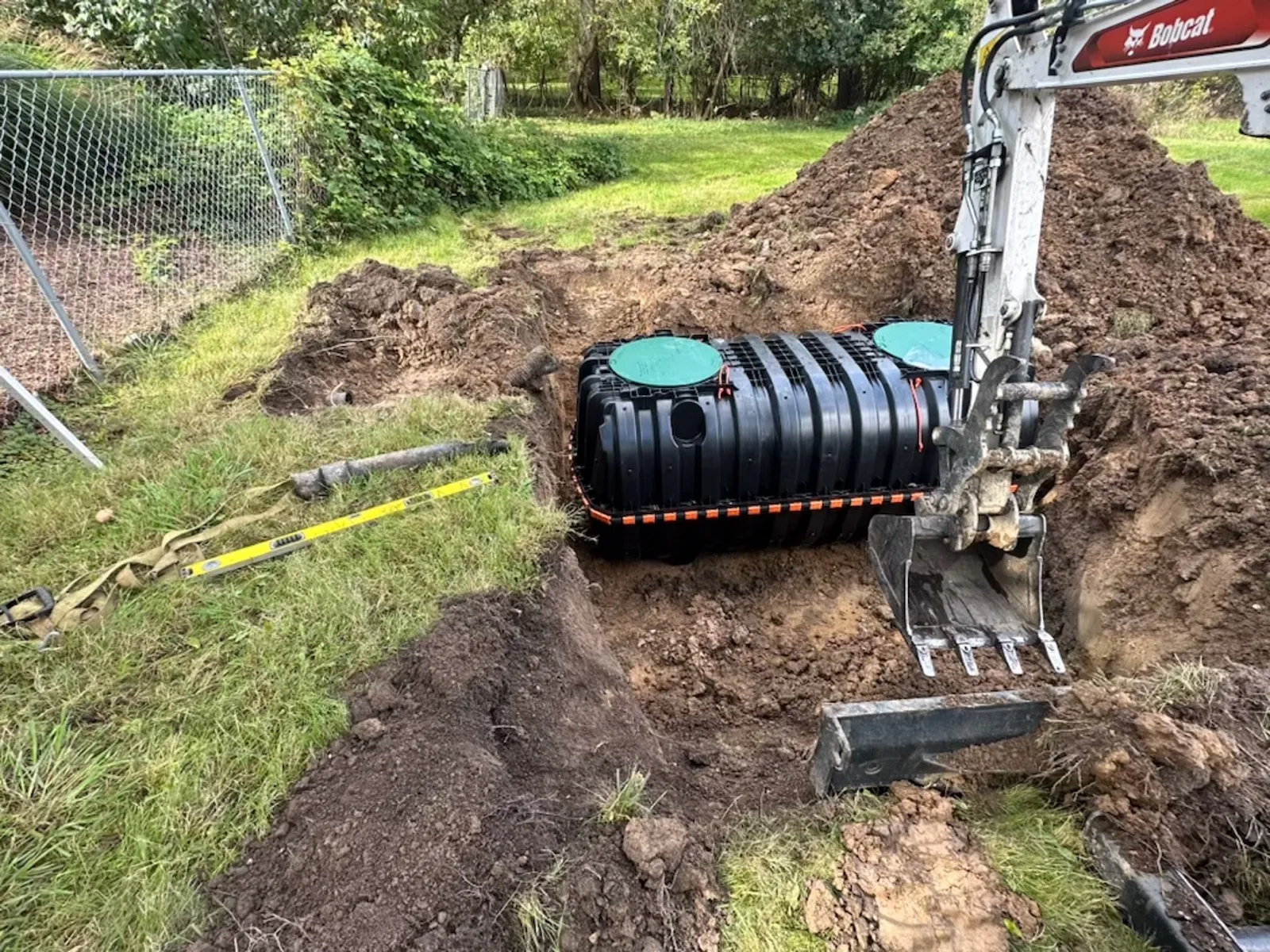
Septic Installation
We install new septic systems and full replacements across the tri-state corner. Tank, drain field, pipe and final grade, all built to the licensed design on your permit.
View Details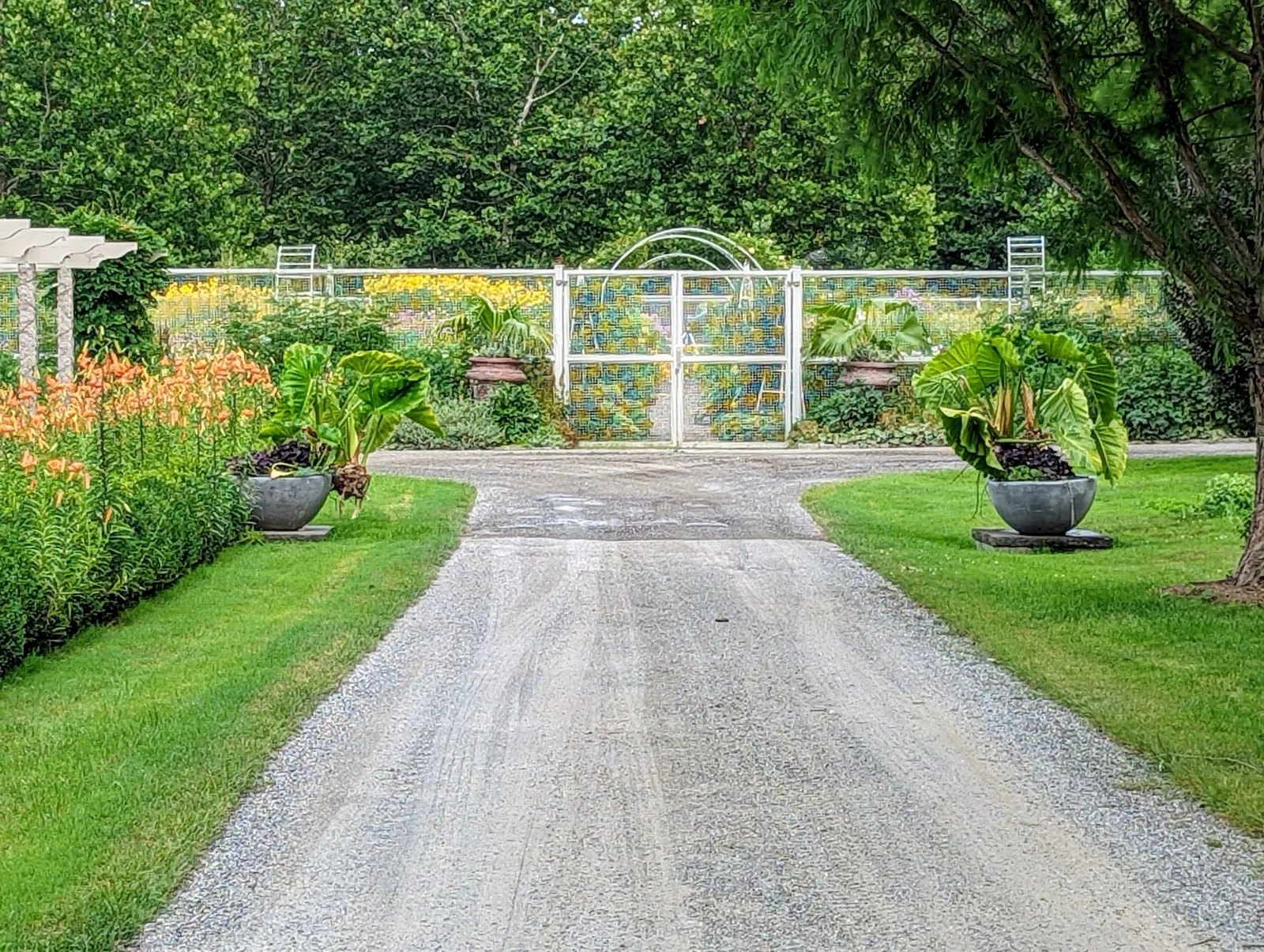
A gravel driveway in this corner of Vermont takes a beating. Frost lifts it in January. Mud season softens the low spots. Plow blades pull stone off the surface all winter. Gravel driveway installation done right starts below the surface. The base carries the weight, and the top stone is the wear layer. We strip the topsoil and soft material out first. Fabric goes down where the ground stays wet. Then we build the base course, compact it, and top it with crushed stone. The drive gets a crown so water sheds to the sides. We build and repair drives around Pownal, Bennington, and across the tri-state corner into New York and Massachusetts.
Diggin Life comes out of more than 30 years of trucking, with excavation work before that. We have watched what loaded trucks and frost do to a country drive. Not every drive needs a full rebuild. Plenty of them just need driveway regrading, a fresh top course, and a ditch that carries water again. Some need a culvert set or replaced at the road. Call (802) 681-6842 and tell us what the drive does when it rains.
Tell us about your project and we will get right back to you.
A new drive starts with what is under it. We cut out topsoil and roots until we reach ground that holds. The ground here is often rocky glacial till, sometimes ledge a foot down. In wet spots we roll out geotextile fabric before any stone goes down. That fabric keeps the base rock from sinking into the mud and disappearing. Then the base course goes in. This is the big, rough stone that carries the truck. We spread it in lifts and compact each one. On a long rural drive that base is most of the material and most of the cost.
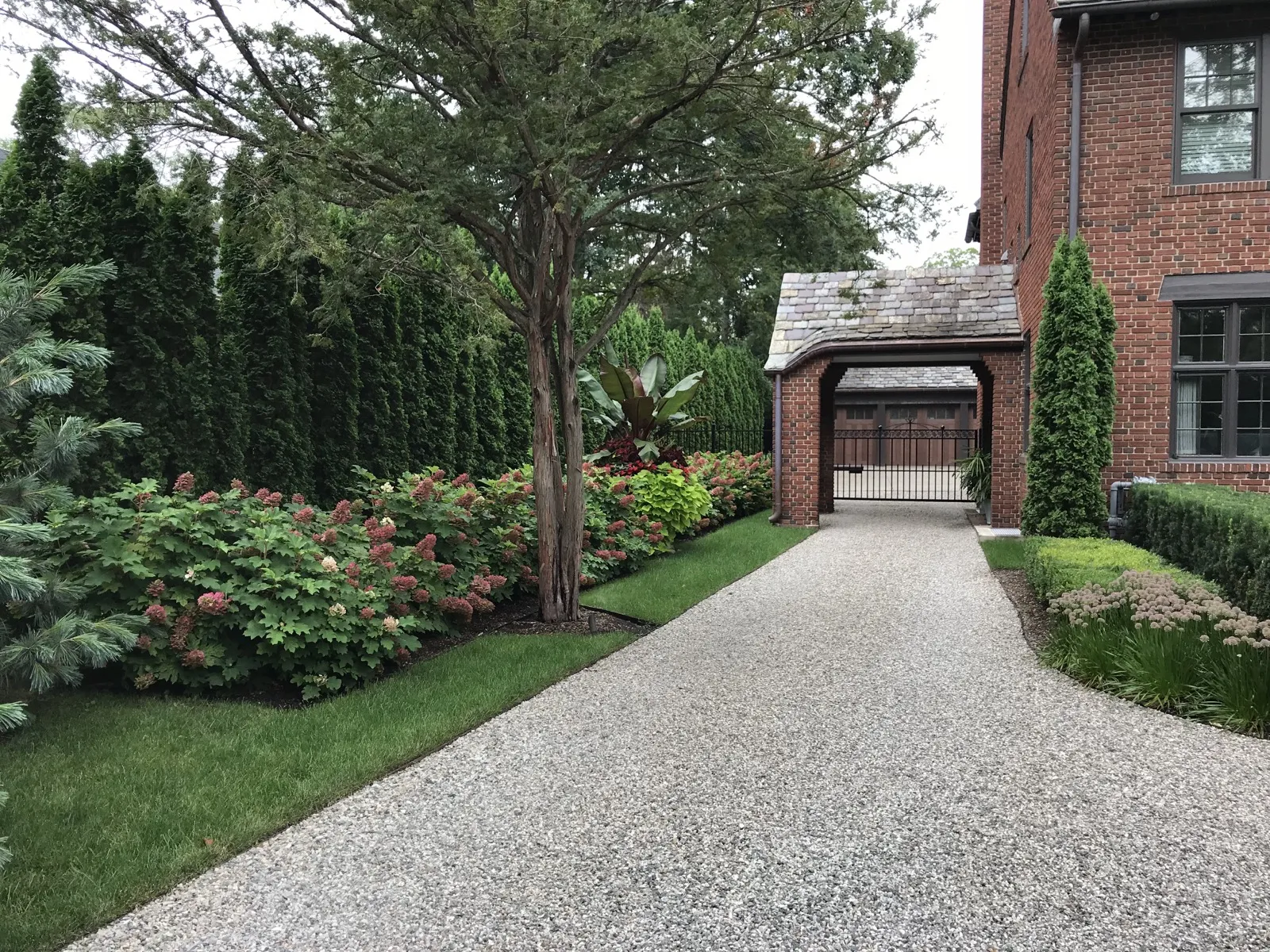
The top course goes over the base once it is packed. That is the crushed stone you see and drive on, usually a dense mix with fines in it. The fines lock the stone together so it sets up hard instead of rolling under your tires. While we spread it we build the crown. The center of the drive sits a little higher than the edges. Water runs off to the ditch line in a few feet rather than down the wheel tracks. A crowned, compacted crushed stone driveway sheds a spring rain and keeps its shape.
Almost every driveway problem here is a water problem. If the crown is gone, rain sits in the wheel tracks and softens the base. If the ditches are grown in or filled with old gravel, water has nowhere to go. It takes the drive instead. On a hillside drive, that water picks up speed and cuts a channel right down the middle. Frost makes it worse. Water that soaks into the base in November freezes, lifts, and leaves a soft hollow spot in April. Then a loaded truck goes over it and you have a hole.
The fix is drainage before stone. We pull the ditch lines back open so they carry runoff to a low spot or a culvert. On steep drives we add cross culverts or diversions. Water leaves the surface every so often instead of running the whole length. Then we regrade the drive and put the crown back. Driveway repair that skips the water part is just gravel you buy again next year. Once the water has somewhere to go, a fresh top course lasts the way it should.
Most of the drives we work on are not new. They are twenty years old, low in the middle, and full of potholes and washboard. Grading with a blade alone just moves the bumps around for a month. We cut the surface deep enough to reach the old gravel that has worked down into the ruts. That material gets pulled back up, mixed, and shaped into a crown again. A lot of drives get most of their stone back this way. Then we add a top course only where it is thin, which keeps driveway regrading cheaper than a rebuild.
Where a drive crosses a ditch at the road, there is a culvert under it. That pipe can crush, plug with silt, or rust through. Then the ditch backs up and the end of your drive goes soft. We dig the old pipe out and set the new one at the right depth and pitch. We pack the bedding under it. Stone goes on both ends so the banks hold. Size matters more than people think. A pipe that is too small handles a normal rain and then fails the one storm that counts. A new entrance on a town or state road usually needs a permit first.
Free, no-obligation estimates across the VT · NY · MA tri-state corner.
(802) 681-6842From the first look at the site to the last pass of finish grade, here is exactly how it goes.
We come out and read the ground: the slope, the water, the access, and whether ledge is likely. What you want done, what is worth doing, and what the job really takes. Nothing gets quoted blind over the phone.
You get a free estimate with a real number and a real window. It covers what is included, and it holds unless the ground changes the scope. If rock shows up mid dig, you hear about it that day.
The machine shows up when we said it would, and the person running it is the person you talked to. The work follows the plan: the permit design on a septic job, the grade plan on a pad, the pitch on a drain.
Backfill goes in compacted, grades pitch away from the house, and topsoil comes back where it belongs. We look at the finished work with you, and done means you say it is done.
Common questions about gravel driveways across the VT · NY · MA tri-state corner. Yours not here? Call and ask us directly.
We install new septic systems and full replacements across the tri-state corner. Tank, drain field, pipe and final grade, all built to the licensed design on your permit.
View Details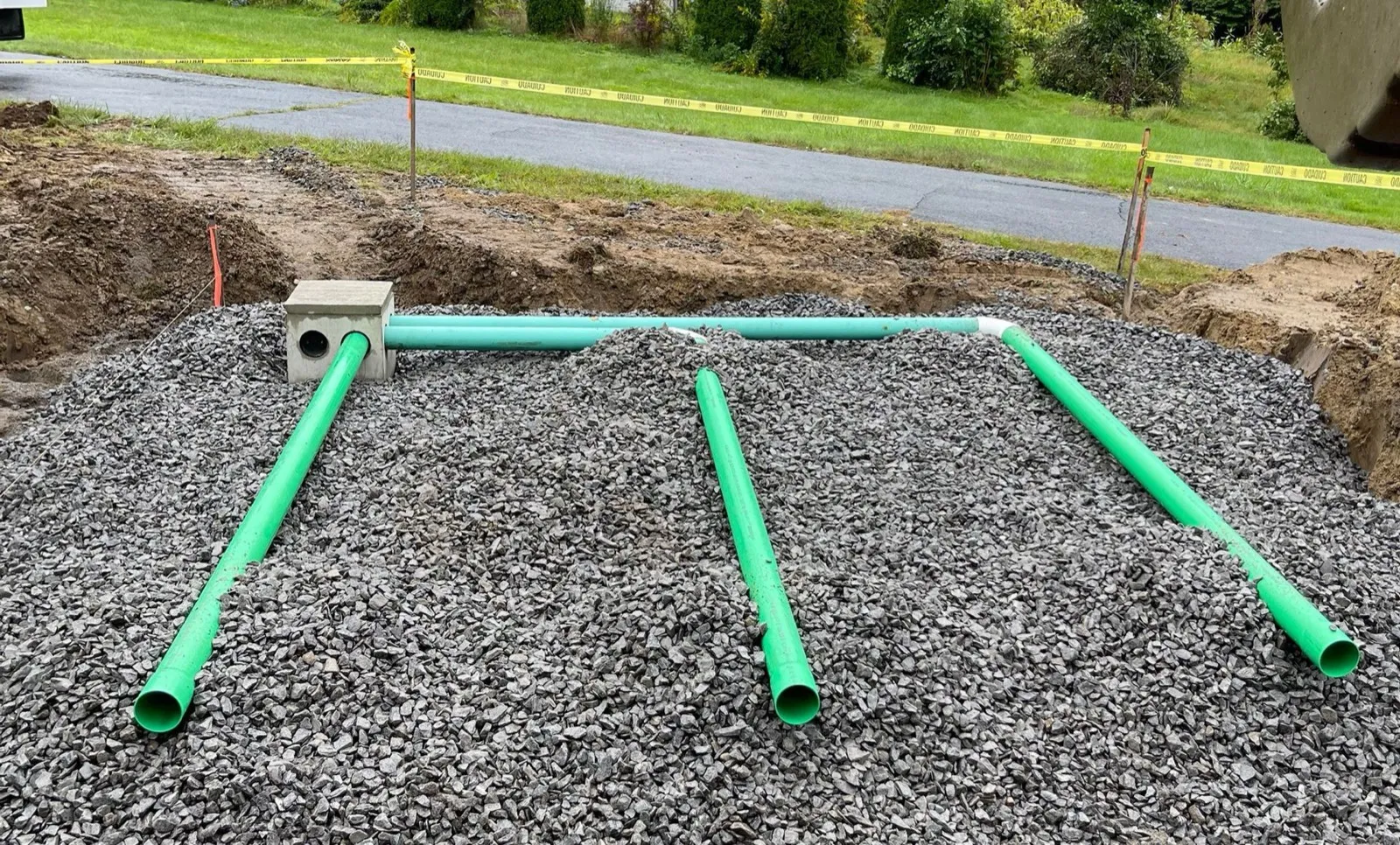
Septic system repair for older rural systems around Bennington and the tri-state corner. We find why it backed up, then repair the tank, the line, or the field.
View Details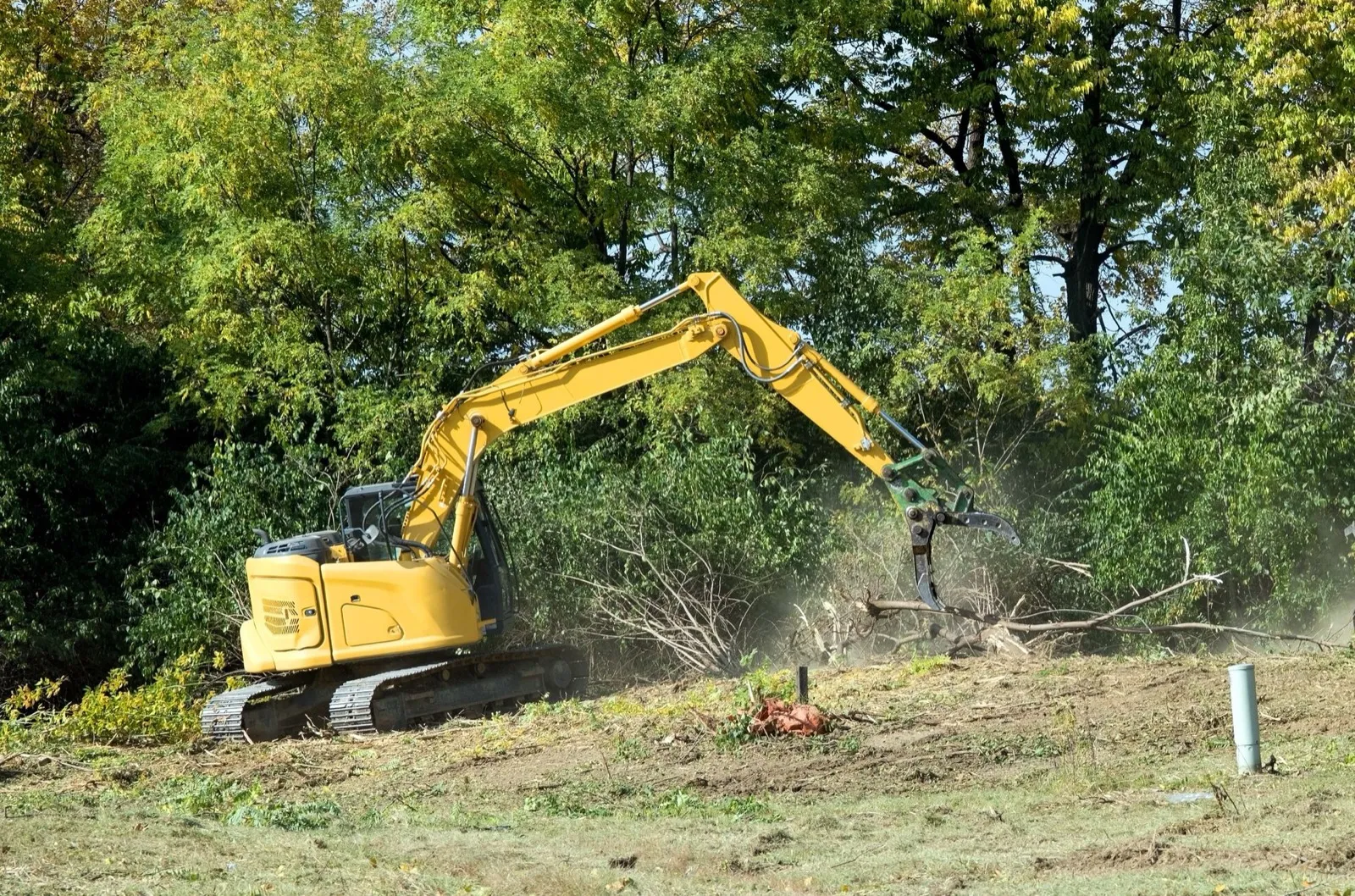
We clear overgrown lots and acreage so the land can be used again. Brush, saplings, stumps, and old fence line come out. What is left is ready for a build site or pasture.
View Details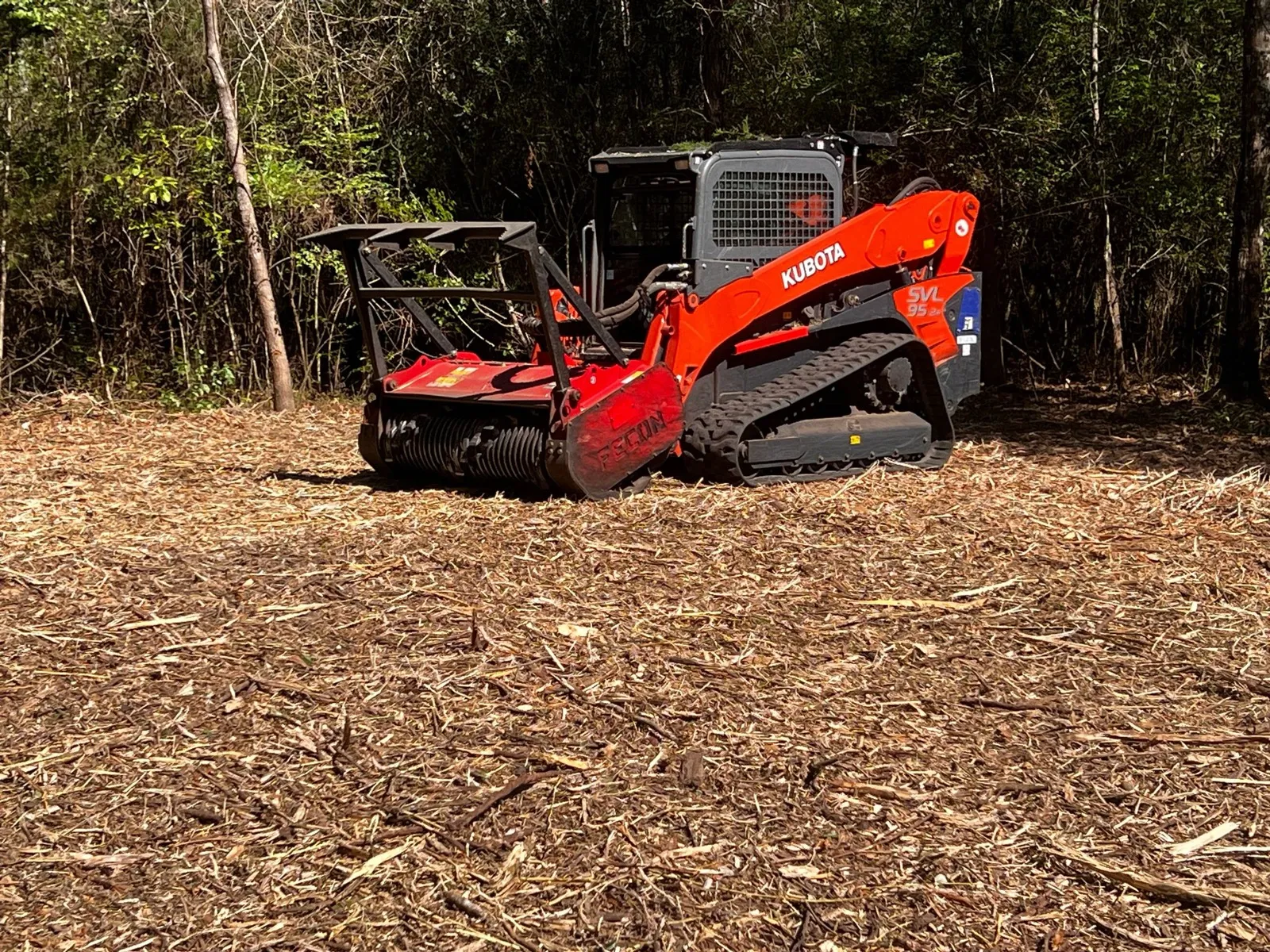
Forestry mulching grinds standing brush and small trees into a layer of mulch. One machine does the cutting and the cleanup. The ground stays covered and the wood stays on your land.
View Details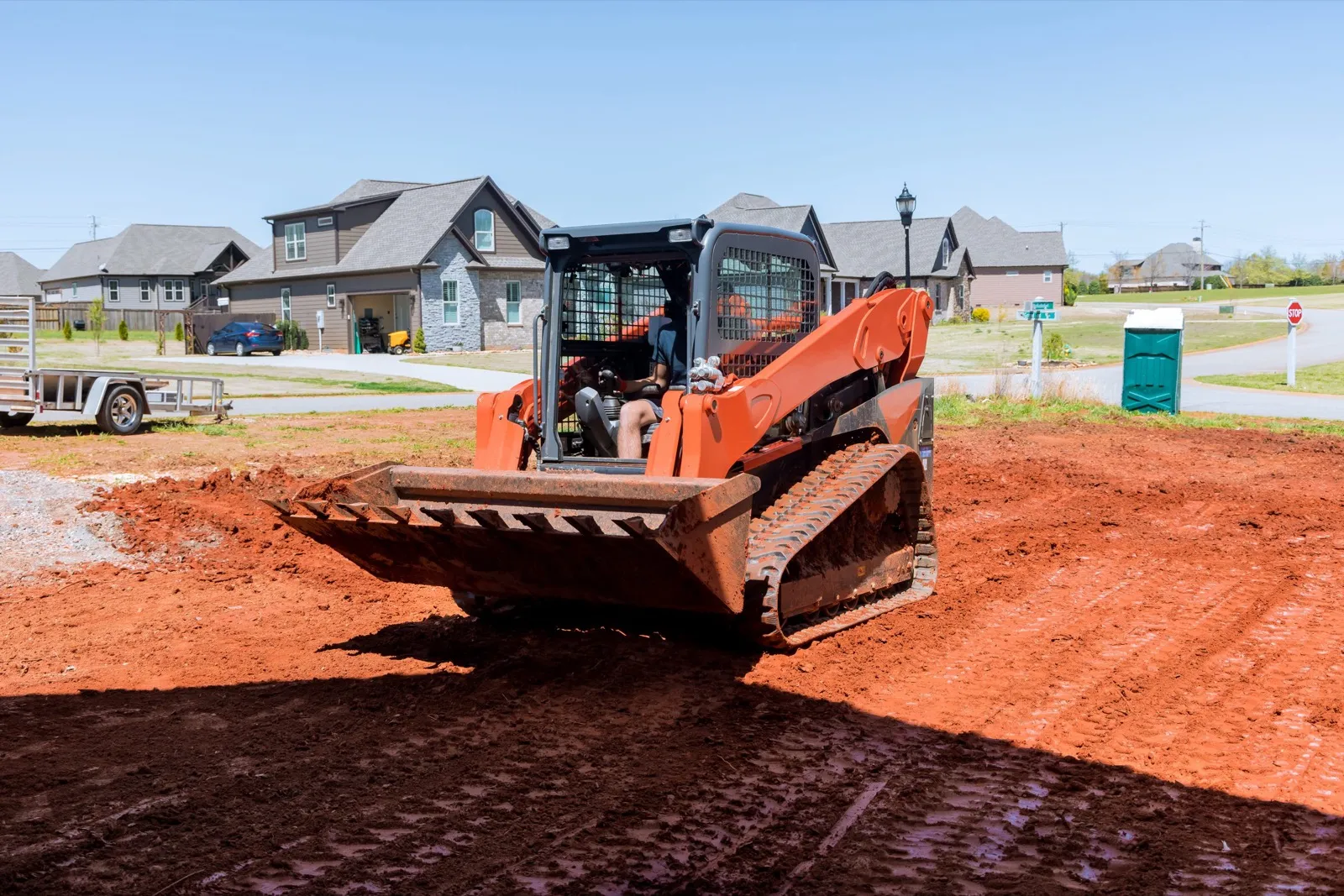
We handle grading and site preparation across the tri-state corner. That means building pads, foundation digs, driveway subgrade, and regrading a yard so water runs away from the house.
View Details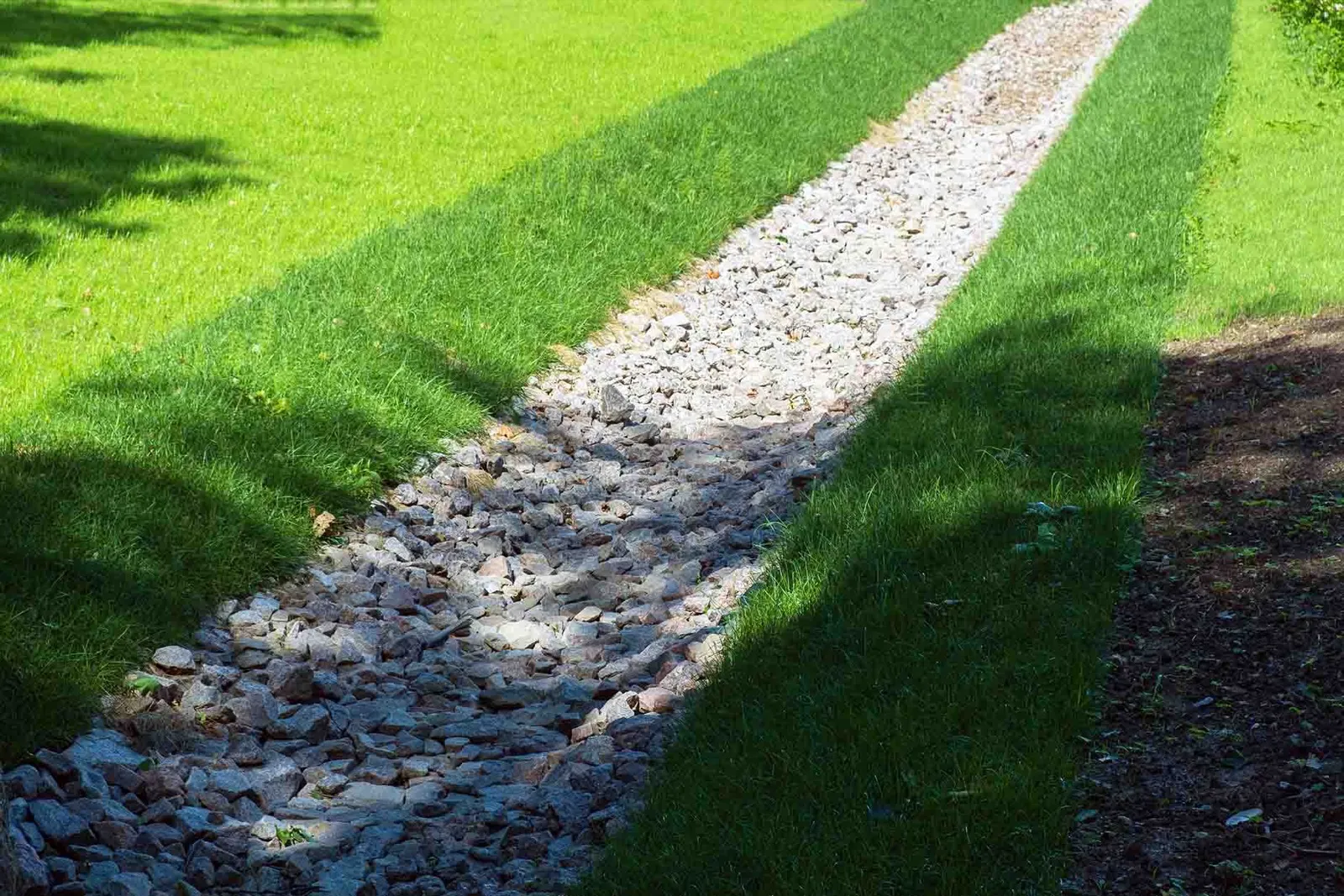
French drains, curtain drains, yard drains and culverts that move snowmelt and storm runoff away from the house. We dig below frost depth and pitch every line so it keeps working.
View DetailsOne company handles your job from the first call to the finished grade. The estimate, the schedule and the digging all come from the same shop, so you always know who to call.
Clearing, the septic system, the pad, the drainage and the driveway can run as one job with one schedule. For timber frames and pools, longtime partner builders join the same plan.
Every estimate comes from looking at the actual ground. Ledge, slope, water and access set the real cost of dirt work here, so we look first and the number holds.
Ledge near the surface, frost four feet down, mud season every April. Work here has to be planned for what the ground does in March, and ours is.
A septic system that needs to go in, a lot to clear, a wet yard, or a driveway that will not survive another spring? Call or send the form. We look at the site with you and price the job from what is actually in the ground.
Tell us about your project and we will get right back to you.