
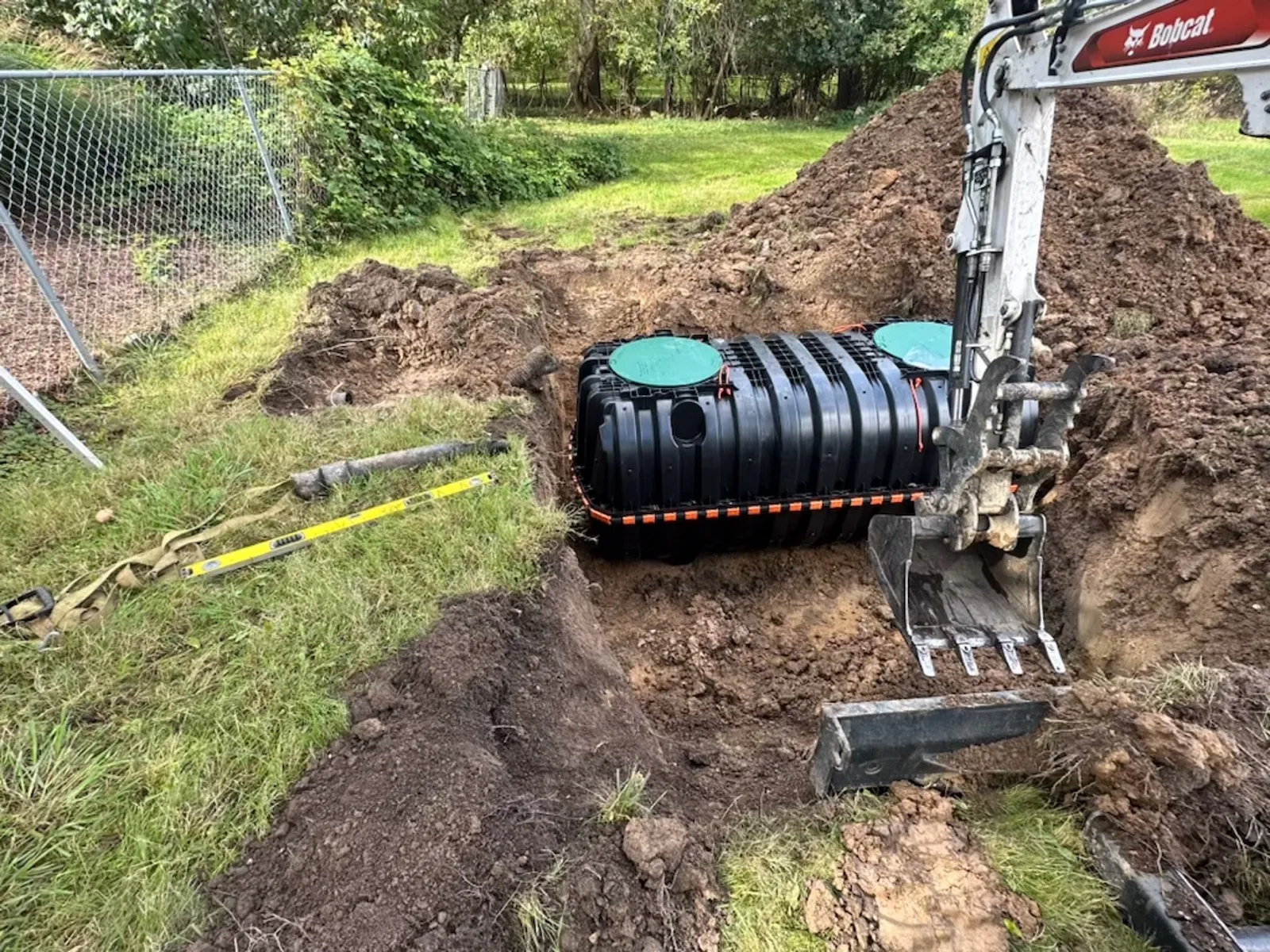
Septic Installation
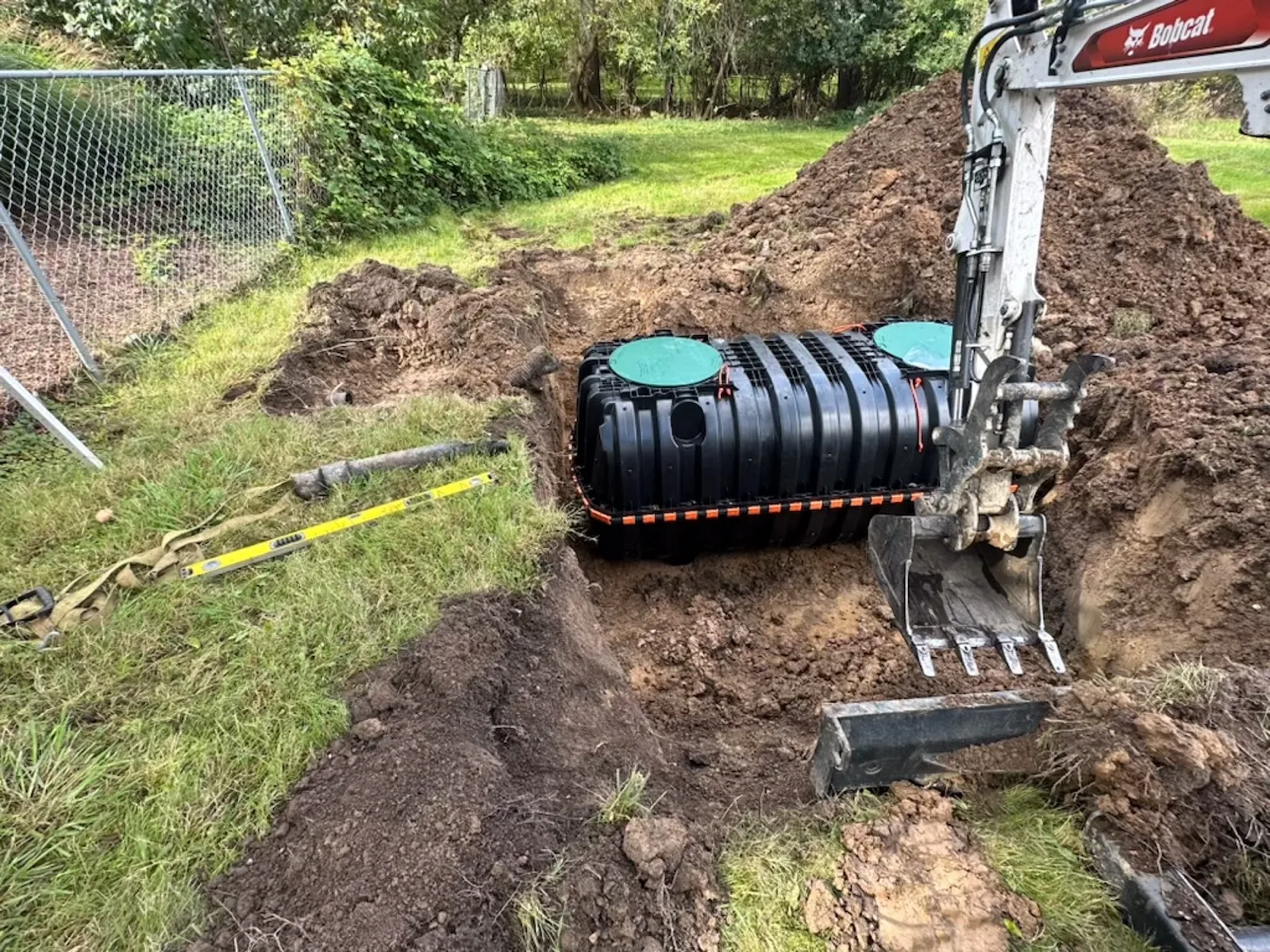
We install new septic systems and full replacements across the tri-state corner. Tank, drain field, pipe and final grade, all built to the licensed design on your permit.
View Details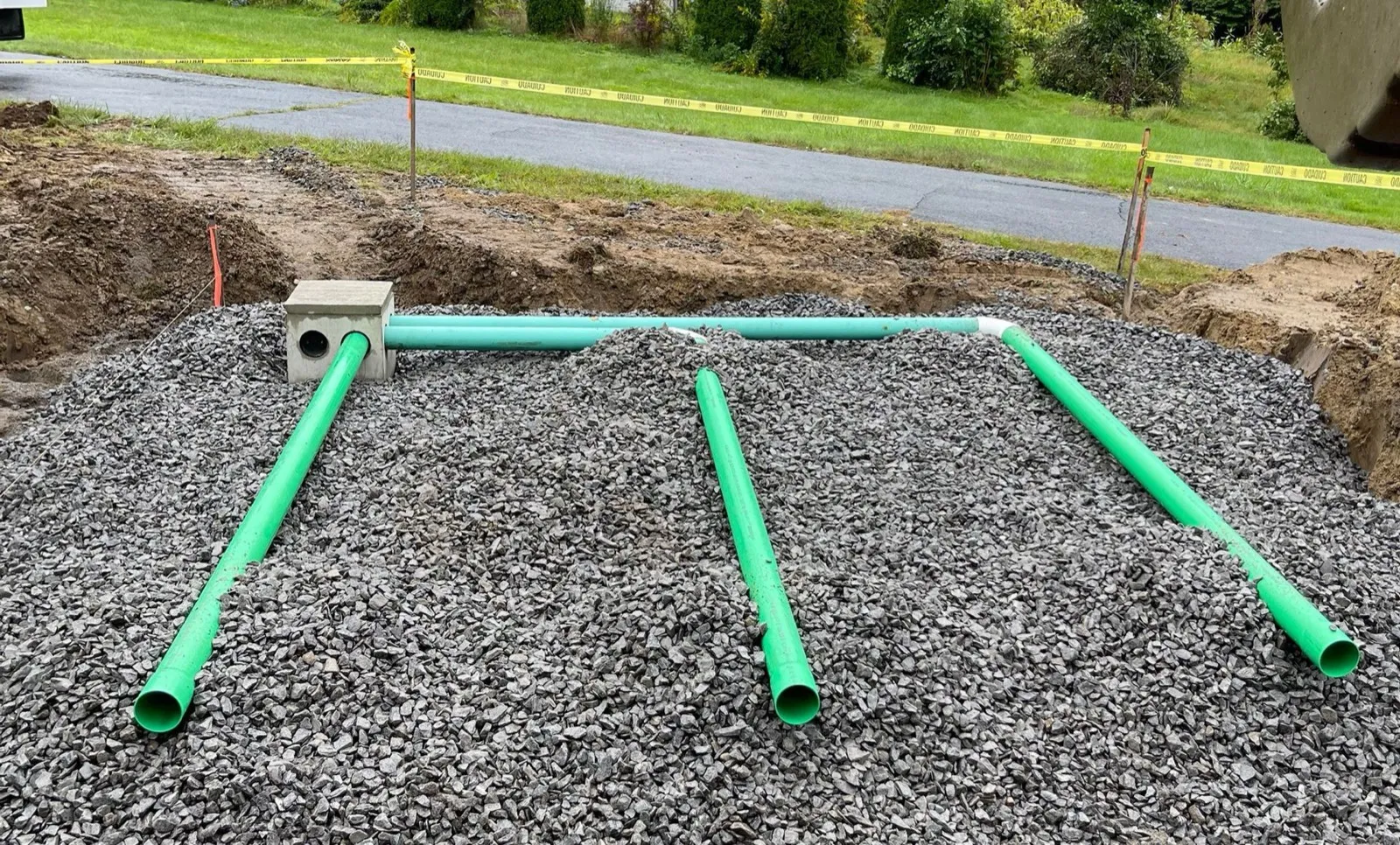
Most septic repair calls start the same way. A toilet drains slow, or the yard smells near the tank. Some homeowners see soft, wet ground over the drain field in April. We are based in Pownal, Vermont, and we work across Bennington and the tri-state corner. Older rural systems here were built decades ago, and many were never pumped on schedule. The fix depends on what actually failed. A septic backup can come from a full tank, a crushed line, or a field that stopped taking water. We look before we quote.
Septic system repair starts with finding the tank and opening the lids. We check the water level at the inlet and the outlet. A high level over the outlet points at the drain field. A high level on the inlet side points at a clog before the tank. From there we can dig a test hole or send a camera down the line. Root damage and a broken septic pipe show up fast that way. Once we know the part that failed, we give you the repair and the cost in plain terms. You decide what happens next.
Tell us about your project and we will get right back to you.
The first sign is usually inside the house. Toilets drain slow and tubs gurgle. The lowest drain in the house backs up first. A basement floor drain often shows a septic backup before anything else. Outside, the clues sit over the tank and the field. You may see a bright green strip of grass, or soft ground that stays wet in dry weather. A sewage smell near the field is another one. Any of these means the system is holding water it should be moving.
Symptoms come and go, and that fools people. A tank that is nearly full drains fine on a light water day. It backs up on laundry day or when family visits. Snow melt and spring rain push a weak drain field over the edge, so problems peak in March and April. Waiting rarely helps. Sewage in a basement is a health problem. A flooded field gets more damaged each week. Call as soon as the pattern shows up. Early septic repair on a line or a baffle costs far less than a rebuilt field.
Sometimes. It depends on why the field stopped taking water. A field that flooded because the tank was never pumped can recover once solids stop reaching it. Solids build a black crust, called biomat, on the trench walls. Pump the tank and add an effluent filter. Cut the water going in, and the field gets a chance to dry out. A clogged distribution box or a crushed pipe is also repairable. In those cases the field itself is fine, and the water was never getting to it evenly.
Some fields are past saving. If the trenches are crushed, or if sewage surfaces year round, a repair only buys months. Age matters too. Many systems in this corner went in before the current state rules. A 40 year old field on heavy clay has done its work. We tell you which one you have, and we put the options in writing with real numbers. When replacement is the answer, we install new septic systems as well. Vermont, New York, and Massachusetts each permit that work differently, and we lay out the steps for your town.
Digging here is not flat work. Glacial till and ledge sit close to the surface on many lots. A tank buried three feet down can still take a day to reach when ledge runs across the trench. Heavy clay holds water, so a field on clay drains slow even when it is healthy. Long driveways and hillside lots add to the job, since the machine needs a clear path to the tank. We plan the access route first, then dig only what the repair needs.
Frost is the other constraint. From December through March the ground freezes hard, and digging costs more. A backup in January still gets dug, but a field rebuild usually waits for thaw. Mud season in April brings its own problem, since a loaded truck can sink in a soft driveway. We schedule around both when the repair can wait. Diagnosis and repair stay with one company, so nothing gets retold between visits. We cover Bennington and Manchester, Hoosick Falls and Troy, and Williamstown and North Adams.
Free, no-obligation estimates across the VT · NY · MA tri-state corner.
(802) 681-6842From the first look at the site to the last pass of finish grade, here is exactly how it goes.
We come out and read the ground: the slope, the water, the access, and whether ledge is likely. What you want done, what is worth doing, and what the job really takes. Nothing gets quoted blind over the phone.
You get a free estimate with a real number and a real window. It covers what is included, and it holds unless the ground changes the scope. If rock shows up mid dig, you hear about it that day.
The machine shows up when we said it would, and the person running it is the person you talked to. The work follows the plan: the permit design on a septic job, the grade plan on a pad, the pitch on a drain.
Backfill goes in compacted, grades pitch away from the house, and topsoil comes back where it belongs. We look at the finished work with you, and done means you say it is done.
Common questions about septic repair across the VT · NY · MA tri-state corner. Yours not here? Call and ask us directly.
We install new septic systems and full replacements across the tri-state corner. Tank, drain field, pipe and final grade, all built to the licensed design on your permit.
View Details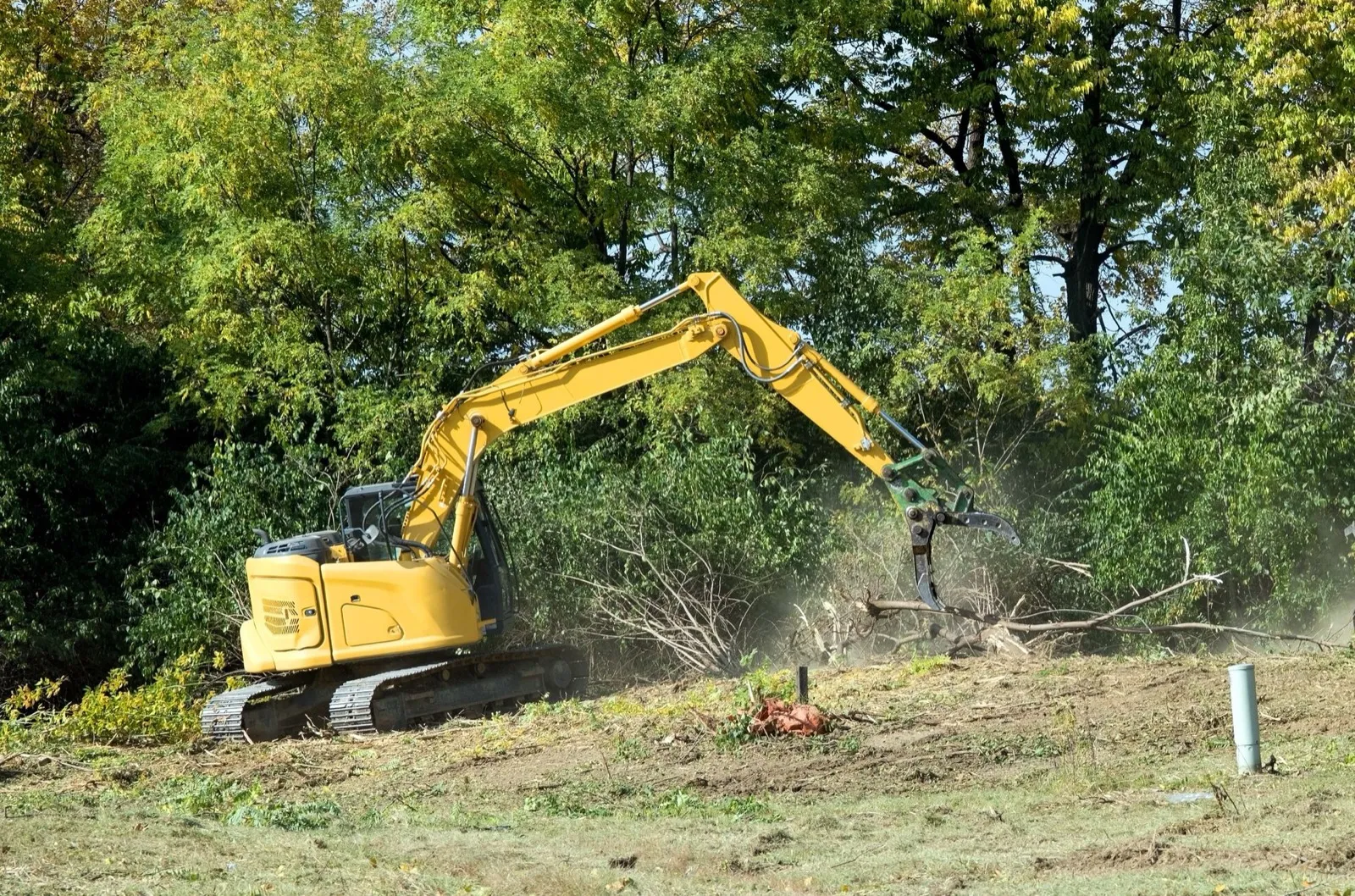
We clear overgrown lots and acreage so the land can be used again. Brush, saplings, stumps, and old fence line come out. What is left is ready for a build site or pasture.
View Details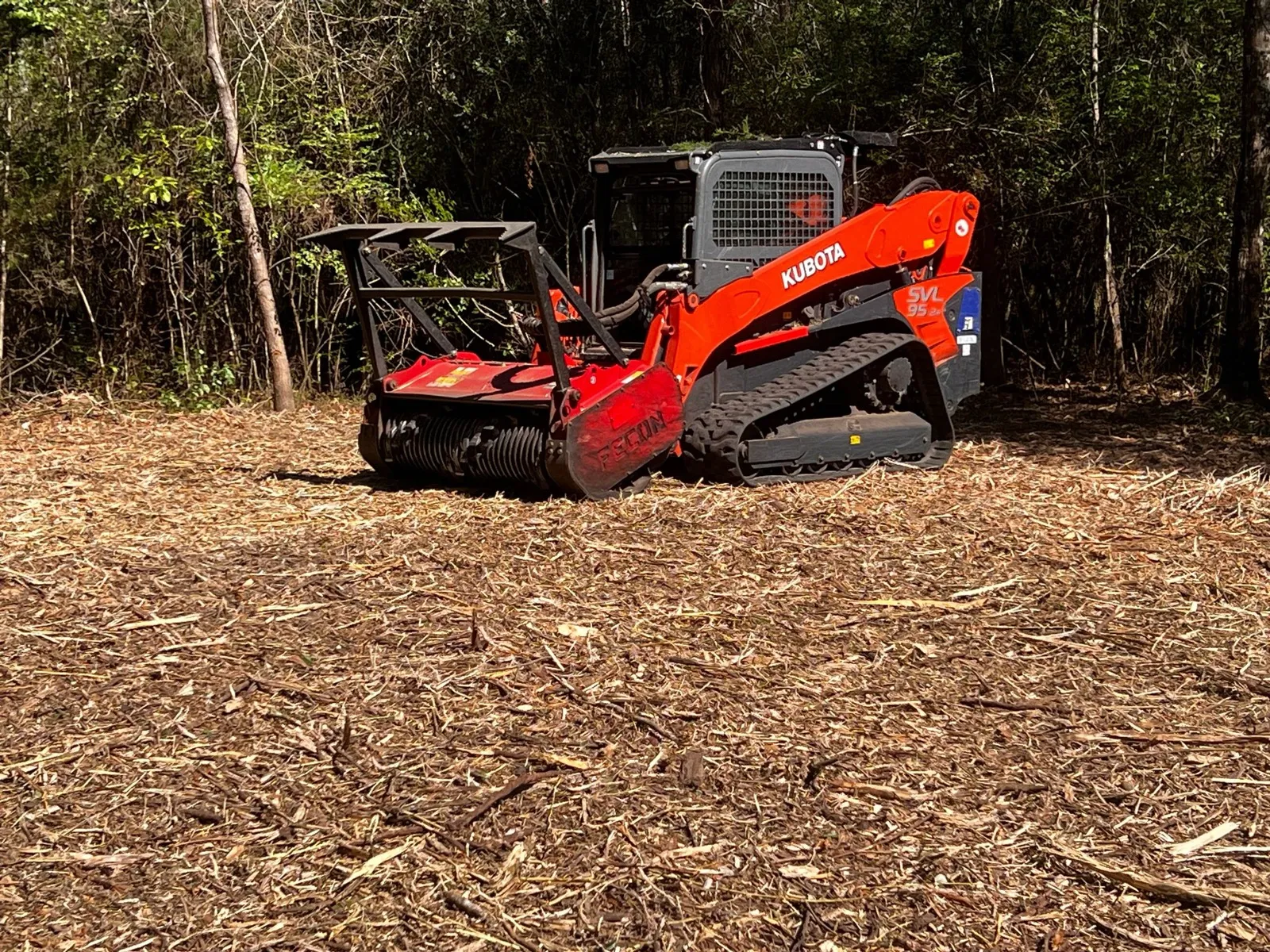
Forestry mulching grinds standing brush and small trees into a layer of mulch. One machine does the cutting and the cleanup. The ground stays covered and the wood stays on your land.
View Details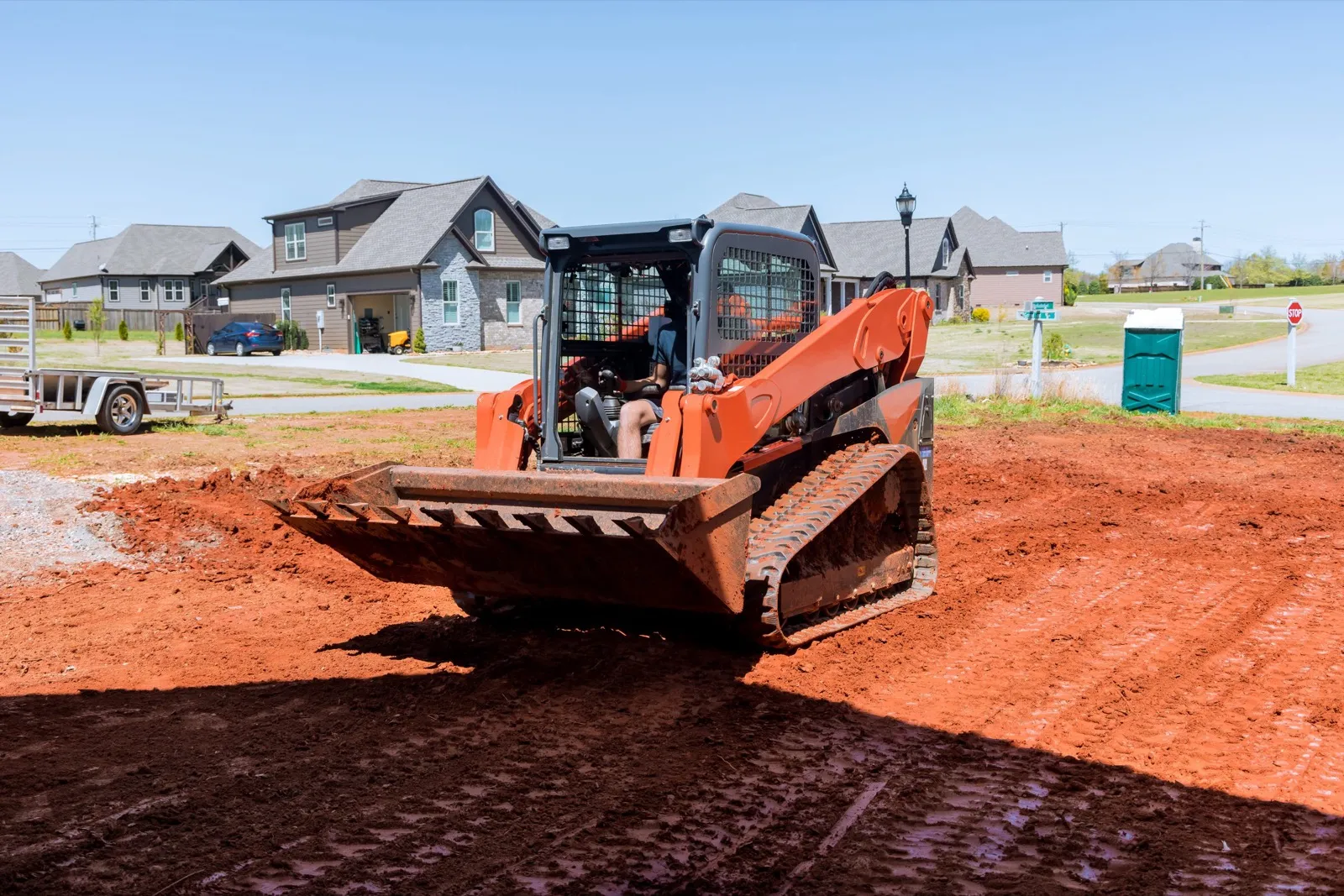
We handle grading and site preparation across the tri-state corner. That means building pads, foundation digs, driveway subgrade, and regrading a yard so water runs away from the house.
View Details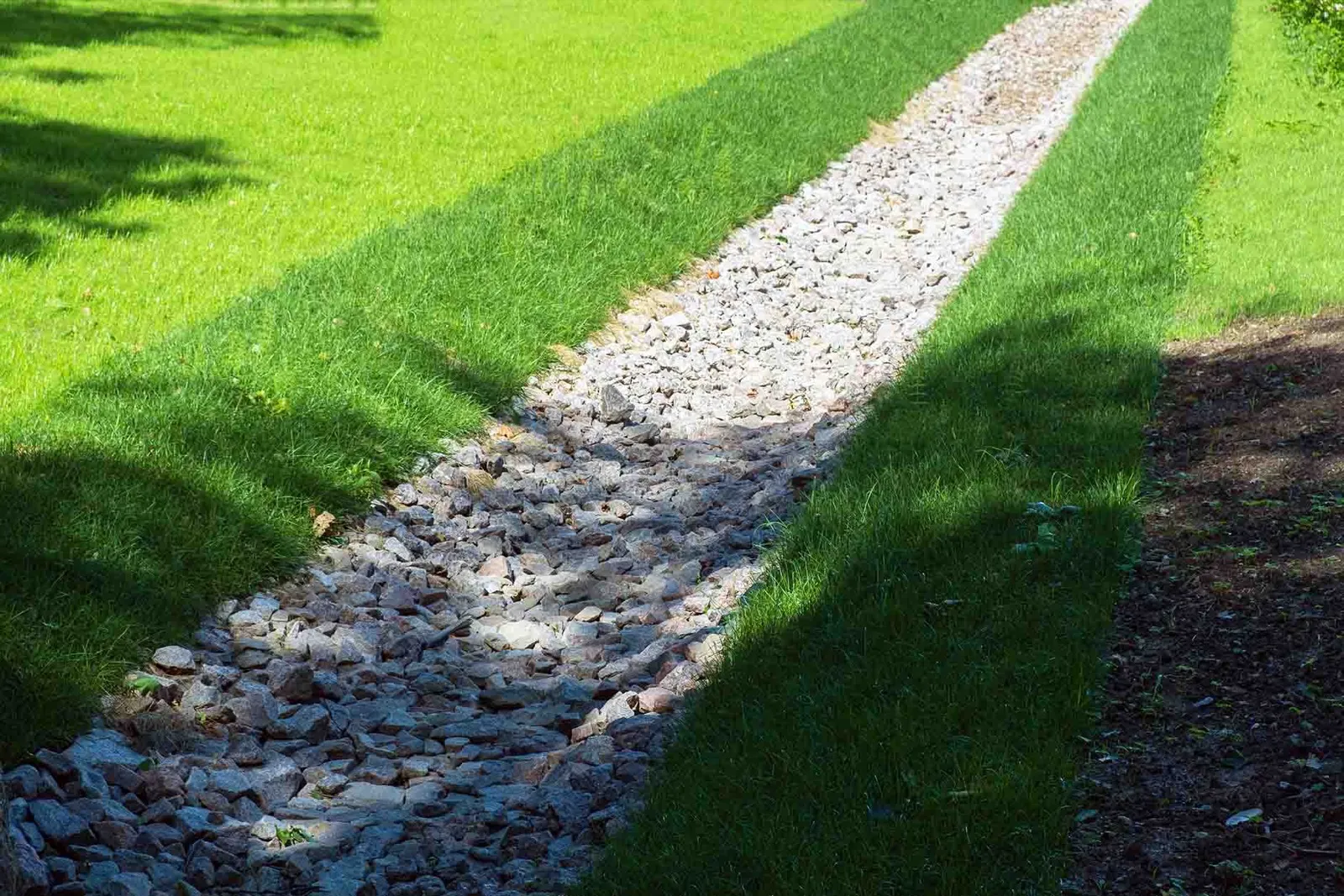
French drains, curtain drains, yard drains and culverts that move snowmelt and storm runoff away from the house. We dig below frost depth and pitch every line so it keeps working.
View Details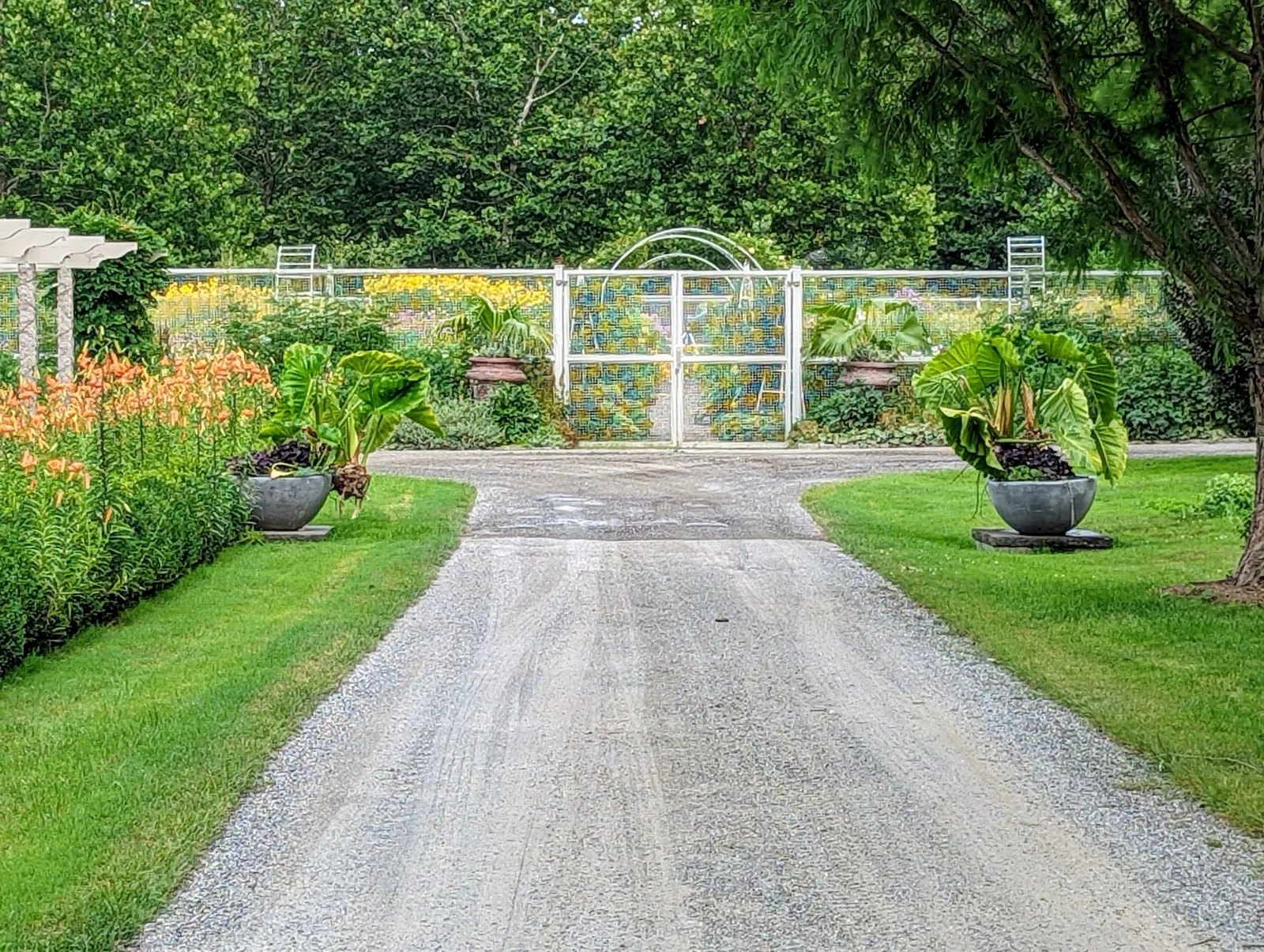
New gravel driveways, regrading and repair around Pownal and Bennington. Proper subgrade, base and top course, a real crown, and culverts set so water leaves the drive.
View DetailsOne company handles your job from the first call to the finished grade. The estimate, the schedule and the digging all come from the same shop, so you always know who to call.
Clearing, the septic system, the pad, the drainage and the driveway can run as one job with one schedule. For timber frames and pools, longtime partner builders join the same plan.
Every estimate comes from looking at the actual ground. Ledge, slope, water and access set the real cost of dirt work here, so we look first and the number holds.
Ledge near the surface, frost four feet down, mud season every April. Work here has to be planned for what the ground does in March, and ours is.
The warning signs of septic failure: slow drains, backups, wet ground and green stripes over the field, what causes them, and when repair still beats replacement.
Read more →Septic installation timelines: 3 to 7 days of machine work inside a 3 to 8 week project, what ledge and mound systems add, and how Vermont permitting shapes the calendar.
Read more →What a septic system costs in Vermont: national install ranges, the real $306.25 state permit fee, and why ledge and wet ground push lots into mound systems.
Read more →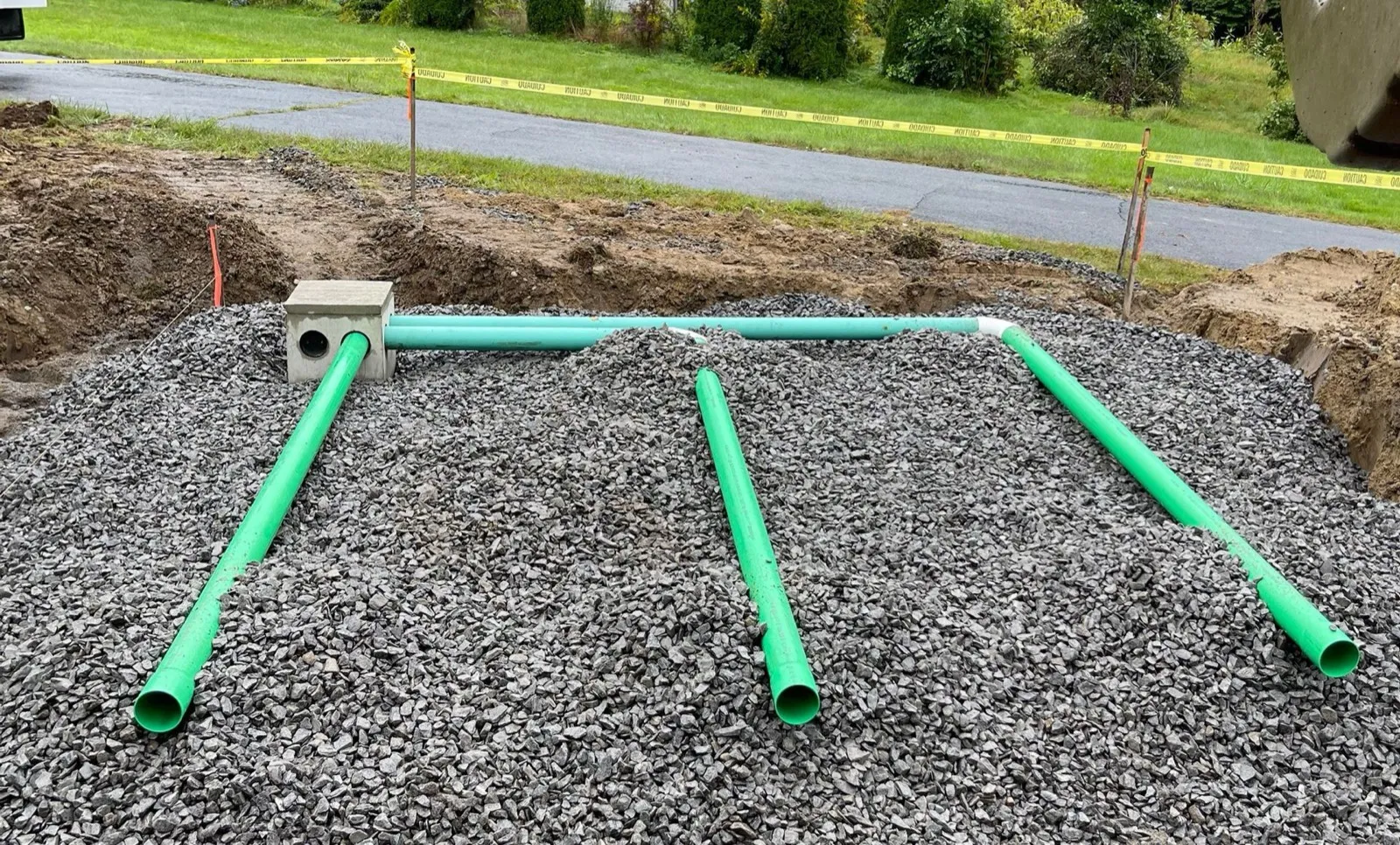
Vermont septic permits explained: when the state Wastewater Permit is required, the $306.25 fee, licensed designer classes, minor-repair exemptions, and failed systems.
Read more →A septic system that needs to go in, a lot to clear, a wet yard, or a driveway that will not survive another spring? Call or send the form. We look at the site with you and price the job from what is actually in the ground.
Tell us about your project and we will get right back to you.